Why Choose a Crossbody Bag for Everyday Use?
2026年3月16日Introduction to Leather Bag Manufacturing
Let’s explore the world of leather bag manufacturing, Leather bags have always been synonymous with luxury, durability, and style. Whether you’re walking down the street or heading into a business meeting, a quality leather bag can make a significant statement about your taste and style. But what goes into crafting a high-quality leather handbag? from selecting the finest materials to the intricate processes involved in production. In this article, we will discuss everything you need to know about leather bag factories and the secrets behind creating the perfect handbag.
In the leather bag manufacturing industry, expertise and experience are essential to produce items that not only look beautiful but also stand the test of time. Leather, being a natural material, requires skilled craftsmanship to ensure that each bag has the right structure, durability, and aesthetic appeal.
Choosing the Right Leather for Bag Manufacturing
Leather is a natural material, which means each hide is unique. When it comes to manufacturing leather bags, choosing the right type of leather is crucial for both aesthetics and functionality. Here are the most common types of leather used in handbag manufacturing:
- Full-Grain Leather: This is the highest quality leather available. It retains the natural grain of the hide, which gives it a unique look and feel. Full-grain leather is extremely durable and develops a beautiful patina over time, making it a great choice for luxury handbags.
- Top-Grain Leather: Slightly lower in quality than full-grain leather, top-grain leather has been sanded and treated to remove imperfections. It’s smoother than full-grain leather but still offers durability and a refined look.
- Genuine Leather: Often used in more affordable bags, genuine leather is made from the leftover layers of hide after the top layers have been removed. It’s not as durable or attractive as full-grain or top-grain leather but is more budget-friendly.
When selecting leather for a leather bag factory, it’s essential to take into account the type of bag you’re designing. A luxury leather tote bag might benefit from full-grain leather, while a more casual canvas bag could work better with a less expensive leather option. Blue Sea Bag Factory has a great guide on choosing the best leather for various styles and uses.
The Leather Bag Manufacturing Process: From Concept to Creation
Once the leather is selected, the next step is transforming it into a beautiful handbag. The manufacturing process involves several critical stages:
- Design and Pattern-Making: The first step in the leather bag creation process is designing the bag. Designers create detailed patterns for the bag’s shape, size, and functionality. These patterns are then cut out of paper or fabric to create templates for the leather.
- Cutting the Leather: Leather is a tough material, so cutting it requires precision and skill. Skilled workers use sharp knives or lasers to cut leather pieces based on the patterns. Accuracy is vital to ensure that all parts fit together perfectly.
- Stitching and Assembly: Once the leather pieces are cut, they are stitched together using durable thread. This stage also includes adding any additional components, such as zippers, pockets, and handles. The stitching is often done by hand or with sewing machines, depending on the bag’s design and the factory’s capabilities.
- Quality Control and Finishing Touches: After assembly, each bag goes through a rigorous quality control process to ensure that every piece meets the highest standards. Any imperfections are addressed, and finishing touches are added, such as polishing the leather or applying protective coatings. Wikipedia provides further details on how different leather finishes are applied.
Sustainable Practices in Leather Bag Factories
Sustainability is an increasingly important factor in the leather industry, and many manufacturers are adopting greener practices to reduce their environmental impact. Here are a few ways leather bag factories are becoming more sustainable:
- Eco-Friendly Sourcing of Leather: Many factories are turning to sustainable leather sources, such as vegetable-tanned leather, which is more environmentally friendly than traditional chromium-tanned leather.
- Waste Reduction: Leather is a precious material, and factories are focusing on minimizing waste by carefully measuring and cutting leather. Some manufacturers are even repurposing leather scraps to create smaller items like wallets and keychains.
- Sustainable Alternatives: Some factories are exploring alternatives to leather, such as vegan leather made from plant-based materials. These alternatives are ideal for consumers looking for cruelty-free options without sacrificing style.
For more information about the environmental impact of leather production, check out resources on sustainable fashion.
Leather Bag Factory Trends: What’s New in 2026?
The leather bag industry is always evolving, with new trends emerging each year. As we look ahead to 2026, here are some of the most exciting trends in leather bag manufacturing:
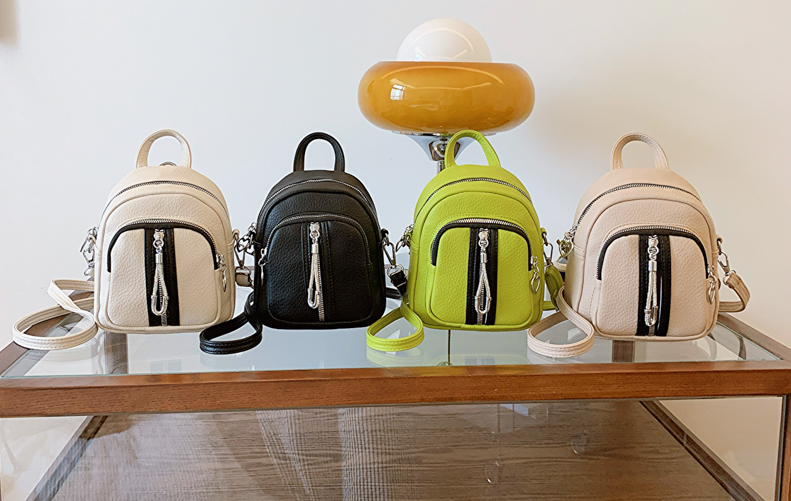
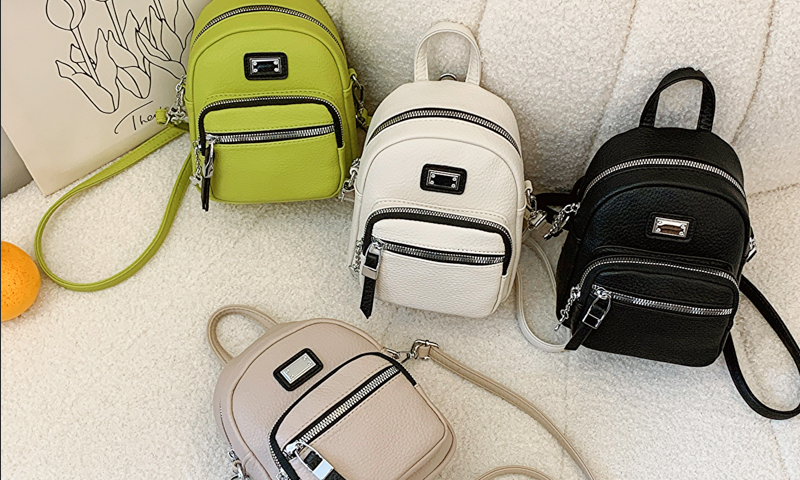
- Bold Colors and Unique Designs: Bright, vibrant colors are expected to dominate the leather bag scene in 2026. Designers are experimenting with bold shades of green, purple, and orange, moving away from traditional neutrals.
- Technology Integration: In 2026, expect to see more leather bags equipped with technology, such as built-in charging ports or even foldable designs that are perfect for travel.
- Minimalist Designs: While bold colors will be popular, minimalist leather bags with clean lines and simple shapes will continue to be in demand for their timeless appeal.
How to Choose a Reliable Leather Bag Manufacturer
If you’re looking to partner with a leather bag manufacturer, it’s essential to choose one that is reliable and trustworthy. Here are a few tips to help you make the right decision:
- Research the Manufacturer’s Reputation: Check reviews and testimonials from other customers to ensure that the manufacturer is known for quality and reliability.
- Examine the Manufacturer’s Experience: Look for manufacturers with years of experience in the leather bag industry. They should have a proven track record of creating high-quality products.
- Ask the Right Questions: Before making a decision, be sure to ask potential manufacturers about their materials, production process, and quality control measures. GIGILYLA offers the bag manufacturer for your business needs.
Conclusion: The Future of Leather Bag Manufacturing
As we’ve seen, leather bag manufacturing is an intricate process that requires expertise, precision, and creativity. Whether you’re designing the next luxury leather tote or exploring sustainable alternatives, the world of leather bag factories continues to evolve. By focusing on quality craftsmanship, sustainable practices, and innovative designs, leather bag manufacturers can ensure their products stand out in a competitive market.
As you move forward in your journey with leather bags, remember the importance of understanding the materials, processes, and trends in the industry. Whether you’re a designer, a manufacturer, or simply a leather bag enthusiast, staying informed about the latest advancements will help you make better decisions and create more beautiful, durable, and sustainable bags.
For additional resources on leather, sustainability, and fashion trends, check out Wikipedia for further reading.