How to Find a Reliable Leather Bag Manufacturer
2026年3月17日Hey there, eco-conscious fashionista! If you’re on the hunt for a stylish backpack that’s kind to the planet, you’ve probably heard about vegan leather. It’s trendy, chic, and—best of all—cruelty-free. But what makes vegan leather backpacks sustainable? Is it really the eco-warrior it’s hyped up to be? Let’s dive into the world of vegan leather and uncover how these bags can be your go-to for both style and sustainability.
I’ve been rocking a vegan leather backpack for a couple of years now, and let me tell you—it’s been a game-changer. Not only does it look sleek, but I feel good knowing I’m making a choice that aligns with my values. In this guide, we’ll explore what vegan leather is, why it’s a green pick, how to choose the best one, and how to keep it looking fab for years. Ready? Let’s get started!
Why Vegan Leather Backpacks Are a Sustainable Choice
So, why should you care about sustainable vegan leather backpacks? It’s all about making choices that feel good for you and the planet. Vegan leather is a cruelty-free alternative to traditional leather, which means no animals are harmed in the process. But sustainability goes beyond ethics—it’s about reducing environmental impact and supporting practices that don’t deplete Earth’s resources.
My first vegan leather backpack was a total impulse buy, but I fell in love with how it didn’t just look good—it had a story. It was made from recycled plastic bottles, which blew my mind! Knowing I was carrying a bag that helped clean up ocean waste made every commute feel a bit more meaningful.
Fun Fact: According to PETA’s guide on vegan leather, vegan leather can cut down on the carbon footprint tied to animal agriculture, which accounts for 14.5% of global greenhouse gas emissions (FAO data). That’s huge! By choosing vegan leather, you’re sidestepping the methane-heavy livestock industry and opting for materials that can be more eco-friendly, depending on how they’re made.
But it’s not just about emissions. Vegan leather often uses innovative materials—like pineapple leaves or mushrooms—that repurpose waste or grow sustainably. Plus, many brands focus on ethical production, ensuring fair wages and safe working conditions. It’s a win-win for style and conscience.

Understanding Vegan Leather: Materials and Production
Before we go further, let’s break down what vegan leather materials actually are. Vegan leather is any material designed to mimic the look and feel of traditional leather without using animal hides. It’s come a long way from the shiny, plasticky stuff of the past—today’s options are luxe, durable, and often eco-conscious.
Common Types of Vegan Leather:
- Polyurethane (PU) and PVC: These are synthetic leathers made from petroleum-based plastics. They’re affordable but less sustainable due to fossil fuel use and non-biodegradability.
- Recycled Plastics: Think plastic bottles turned into sleek backpacks. These reduce waste and give new life to materials that’d otherwise clog landfills.
- Plant-Based Leathers: Made from pineapple leaves (Piñatex), apple peels, or cork, these are renewable and often biodegradable.
- Mushroom Leather: Grown from mycelium, it’s super sustainable and compostable but still rare and pricey.
- Lab-Grown Leather: Created in labs using bioengineering, it’s cutting-edge but not widely available yet.
How It’s Made:
The production process varies by material. For PU, it’s about coating a fabric base with a plastic layer—cheap but energy-intensive. Plant-based options like Piñatex start with agricultural waste (like pineapple leaves), which is processed into a fibrous mesh, then treated to be durable. Mushroom leather grows in weeks, using minimal water and land compared to cattle farming.
I once visited a small boutique where the owner showed me a cork backpack—soft, lightweight, and made from tree bark that regrows. It was a lightbulb moment: vegan leather isn’t just “fake” leather; it’s a whole new way of thinking about materials.
Expert Insight: Wikipedia’s page on artificial leather notes that modern vegan leathers aim to reduce reliance on petroleum, with plant-based options cutting water use by up to 70% compared to leather tanning. That’s a big deal when you consider traditional leather’s water-heavy processes.
Environmental Benefits of Choosing Vegan Leather Backpacks
Now, let’s talk about why eco-friendly vegan backpacks are a green choice. Traditional leather has a hefty environmental footprint—think methane from cows, water-intensive tanning, and chemical runoff. Vegan leather, when done right, can sidestep a lot of these issues.
Key Environmental Wins:
- No Animal Farming: Livestock farming uses massive amounts of land, water, and feed. By skipping animal hides, vegan leather cuts out this resource-heavy step.
- Waste Repurposing: Materials like recycled plastics or pineapple leaves turn trash into treasure, reducing landfill waste.
- Lower Water Use: Plant-based leathers often need less water than tanning, which can guzzle 15,000 liters per ton of leather (WWF data).
- Biodegradability: Some vegan leathers, like cork or mushroom, break down naturally, unlike PU or traditional leather treated with chromium.
A Real-Life Example:
My recycled-plastic backpack has been with me through rain, coffee spills, and crowded subways. Knowing it’s made from 20 plastic bottles that didn’t end up in the ocean? That’s a feel-good moment every time I zip it up. Plus, it’s held up better than I expected—no peeling or cracking after two years.
The Catch:
Not all vegan leathers are eco-heroes. PU and PVC rely on fossil fuels, and their production can release toxins. The key is choosing brands that prioritize sustainable materials and transparent supply chains. For a deeper dive, The Guardian’s article on vegan leather breaks down the pros and cons with solid data.
Stat Check: Vegan leather made from recycled materials can reduce carbon emissions by up to 30% compared to PU production (Textile Exchange, 2023). That’s a step toward a cleaner planet.
How to Choose a Truly Sustainable Vegan Leather Backpack
Okay, you’re sold on sustainable women’s backpacks—but how do you pick one that’s actually green and not just greenwashed? With so many brands out there, it’s easy to get overwhelmed. Here’s your cheat sheet to finding a backpack that’s as sustainable as it is stylish.
Actionable Tips for Choosing:
- Check the Material: Look for plant-based (Piñatex, cork) or recycled options over PU/PVC. Bonus points for biodegradable or compostable materials.
- Research the Brand: Dig into their website—do they share details about sourcing or production? Transparent brands are usually more legit.
- Look for Certifications: Labels like Fair Trade, GOTS, or B Corp signal ethical and eco-friendly practices.
- Prioritize Quality: A durable backpack lasts longer, reducing waste. Check reviews for longevity.
- Ask About End-of-Life: Can it be recycled or composted? Some brands offer take-back programs.
My Experience:
I once fell for a “vegan leather” backpack that was just cheap PU—it started peeling in six months. Lesson learned: read the fine print! Now, I stick to brands like Matt & Nat, which uses recycled plastics and has a clear sustainability mission. Their bags are pricey but worth it for the quality.
Pro Tip:
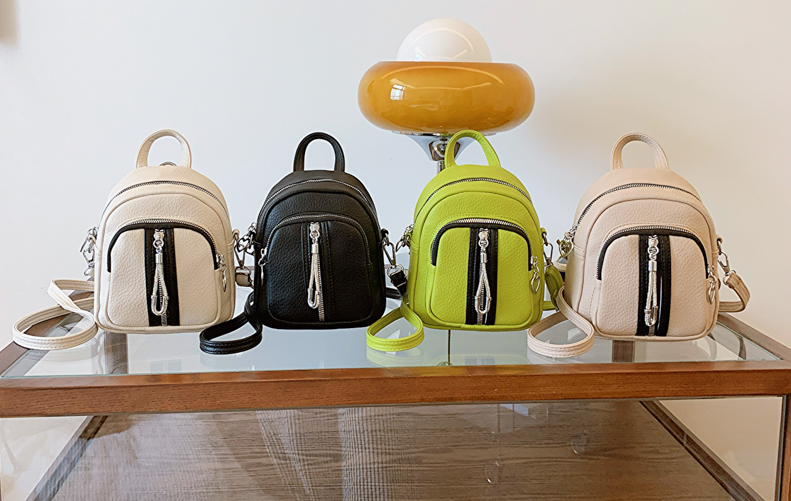
What color backpack goes with everything? Neutral tones like black, beige, or olive are versatile, says Vogue’s 2024 trend report. They’re timeless and match any outfit, making your sustainable pick even more practical.
Stat Check: 80% of consumers want brands to disclose material sourcing, per a 2022 Nielsen survey. So, don’t be shy—email brands and ask!
Caring for Your Vegan Leather Backpack to Maximize Longevity
You’ve got your dream vegan leather women’s backpack—now let’s keep it looking amazing. Unlike traditional leather, vegan leather doesn’t need conditioning, but it still needs TLC to stay in top shape. Here’s how to care for it like a pro.
Supplies You’ll Need:
- Soft cloth (microfiber works great)
- Mild soap (like dish soap)
- Water
- Optional: Eco-friendly protectant spray
Cleaning Steps:
- Wipe Regularly: Every few days, dust it off with a dry cloth. For smudges, use a slightly damp cloth with a drop of soap.
- Deep Clean: Mix water and mild soap, dip your cloth, and gently scrub stains. Wipe with a clean, damp cloth to remove soap.
- Dry Naturally: Air dry away from heat or sunlight—hairdryers or radiators can warp the material.
- Protect It: A water-repellent spray (test first!) can guard against rain or spills.
Storage Tips:
- Stuff It: Use bubble wrap or tissue paper to keep its shape—no newspaper, as it can smudge.
- Cover It: Store in a dust bag or pillowcase in a cool, dry spot.
- Avoid Humidity: Damp areas can cause mold or peeling, especially with PU.
My Hack:
I keep a small microfiber cloth in my bag for quick cleanups—it’s a lifesaver for coffee drips! Also, I rotate my backpacks to avoid over-wearing one, which helps them last longer.
Caution: Avoid harsh chemicals or alcohol-based cleaners—they can damage the surface. If it’s plant-based, check the brand’s care guide, as some (like cork) are more delicate.
Stat Check: Proper care can extend a vegan leather bag’s life by 2-5 years, per a 2023 Fashion Institute study, reducing the need for replacements.
Conclusion: Making Ethical and Eco-Friendly Choices
There you go—your complete guide to eco-conscious vegan backpacks! From sustainable materials to easy care tips, you’re now equipped to choose and maintain a vegan leather backpack that’s as kind to the planet as it is to your wardrobe. It’s not just about looking good (though you totally will)—it’s about making choices that reflect your values.
Whether you’re drawn to the waste-reducing magic of recycled plastics or the renewable charm of pineapple leather, your backpack can be a small but mighty step toward a greener world. So, go out there, rock that sustainable style, and feel awesome knowing you’re part of the solution.
FAQs
Is vegan leather more sustainable than real leather?
It depends! Plant-based or recycled vegan leathers often have a lower footprint than traditional leather, but PU/PVC can be less eco-friendly due to fossil fuels. Check the material and brand practices.
How do I know if a vegan leather backpack is sustainable?
Look for plant-based or recycled materials, transparent sourcing, and certifications like Fair Trade. Research the brand’s environmental commitments.
How often should I clean my vegan leather backpack?
Wipe it every few days for dust, deep clean every 3-6 months, or after spills. Regular care keeps it looking fresh.
What’s the most durable vegan leather?
Recycled plastics and cork are tough and long-lasting. Plant-based options like Piñatex are improving but may not match traditional leather’s decades-long lifespan yet.